Gunvor’s value chain covers a wide array of geographies and industries.
The DMA identified the following areas as being most at risk for value chain workers:
- Shipping
- Mining and minerals supply chain
- Biofuels supply chain
As per our commitments to United Nations Guiding Principles on Business and Human Rights (UNGPs), Gunvor regularly reviews its operations and activities to understand specific risks and impacts depending on commodities traded and geographical origin.
In 2026, the assessment on child labour will be updated as activities of the Metals desk have increased and diversified.
S2-1Policies
Relevant policies to manage material impacts for value chain workers:
- Code of Conduct and Ethics
- Code of Conduct for Suppliers
- Health, Safety, Environment, Human Rights and Communities Policy (“HSEC Policy”)
- Modern Slavery Statement
- Responsible Sourcing Policy for Metals
These policies are aligned with internationally recognized human rights and follow the United Nations Guiding Principles for Business and Human Rights (UNGPs), and for the Responsible Sourcing Policy, the OECD Due Diligence Guidance on Metals and Minerals Supply chains. For more information refer to the ESRS 2 GDR-P section of this report, and for the full text of the policies, please refer to the following link: www.gunvorgroup.com/ethics/policies
Governance on sustainability
Operational responsibility for ensuring the engagement takes place and that its outcomes inform Gunvor’s approach, are held by the Health, Safety, Environment, Human Rights and Communities (“HSEC Committee”) Committee which is chaired by the Chief Operating Officer. All actionable insights are taken onboard by the Global Head of Sustainability and Ethics and the Chief Legal Officer.
S2-2Engagement, Channels,
& Remediation
Gunvor engages with value chain workers and other relevant rightsholders through its human rights due diligence processes and supplier assessments. This includes supplier engagement, research, expert literature, and support from external human rights consultants. Where additional local expertise is required, particularly regarding vulnerable groups, we may engage NGOs, unions, or local consultants.
Currently, we have not identified impacts that we have caused or contributed to as per UNGP’s terminology on value chain workers. We have, however, identified impacts within our supply chain.
Grievance channels and access to remedy
Our suppliers’ assessments include a focus on access to remedy, ensuring that our suppliers provide a channel for complaints that respect the criteria set out in the UNGPs.
Gunvor maintains “Speak Up,” an anonymous whistleblowing channel accessible to all internal and external stakeholders. While designed primarily for internal use, this publicly available platform guarantees strict confidentiality and protection against retaliation. For further details, please refer to G1.Remediation and corrective actions.
In certain cases, our due diligence activities have identified gaps relating to labour rights protections and access to remedy. For example, a human rights assessment conducted at Parco Gunvor Limited (PGL) sites in Pakistan identified gaps relating to workers’ awareness of grievance mechanisms and anonymous reporting channels. Throughout 2026, PGL and Gunvor teams will work together to implement action plans addressing the identified impacts.
Actions & Resources
S2-3This section sets out Gunvor’s approach to managing impacts on value chain workers, structured around four key areas: risk and impact identification, due diligence and control mechanisms, commodity- and activity-specific risks and responses; and illustrative case studies of how identified risks are addressed in practice. Risk and impact identification.
Gunvor regularly assesses human rights risks within its activities and supply chain. As described in our previous reports, we have conducted child labor risk mapping in 2022 with our partner twentyfifty, and human rights risks mapping in 2023, which covers a wider array of human rights risks. This allows us to identify commodities and geographies at a higher risk of human rights impacts and to prioritise higher risk areas. These Group wide risk mappings are regularly reviewed and specific focus is performed on commodities.
In 2025, we have conducted a full scope risk assessment of our activities including environment and human rights aspects for our assets, trading supply chain for metals, oil and gas and biofuels. The results show a high prevalence of risk for the following commodities originating from high-risk countries:
Oil & Gas Extraction
Oil Products
Metals & Minerals Smelting/Refining



| Objectives | 2019 | 2020 | 2021 | 2022 | 2023 | 2024 | 2025 | Target | Status |
|---|---|---|---|---|---|---|---|---|---|
| % of assets covered by a human rights assessment |
20% | 60% | 100% | 100% | New wave of assessments performed – 100% covered |
No new assessment performed | New assessment: PGL | Yearly review – follow up in 2026. | On track |
| % of our JVs covered by a human rights assessment |
14% | 29% | 100% | No new assessment performed | No new assessment performed | 100% of our JVs covered by a HRA by end of 2026 | On track | ||
| Approved remediation plan following human rights assessment |
Yes (except ULO) | N/A | Yes (PGL) | On track | |||||
| Carry out child labour risk assessment and implementation of mitigation measures | 100% | Identification and implementation of mitigation measures: 50% |
100% | 100% | Assessment to be updated to reflect development of metals desk | On track | |||
| Human rights assessment of strategic suppliers | 2 suppliers in 2024 | 3 assessment carried out in 2025 | 3 by the end of 2026 | On track |
Due Diligence
KYC checks
Detection of risks and impacts regarding value chain workers is embedded within compliance checks. All counterparties are screened against human rights risks including those covered in the International Labour Organisation Declaration on Fundamental Principles and Rights at Work. Adverse media checks are conducted daily on counterparties and reviewed at regular intervals by KYC and sustainability teams.
Suppliers’ assessments
In line with commitments, Gunvor is deploying a supplier assessment project based on commodity and geography related risks, together with the desks and our external consultant twentyfifty. In 2025, we have assessed the following:
- Commercial shipping agent managing our Time Chartered vessels
- Retailer/distributor of gas and gasoline in Brazil
- Shipbuilding supplier from whom we are in the process of purchasing 5 LNG carriers
These assessments allow for a deep dive into the commodities and geographical context as well as the supplier’s internal processes. When further expertise is required, especially for vulnerable groups of rightsholders, we aim to reach out as locally as possible through actors on the ground such as NGOs, unions or local consultants. In 2026, we plan to engage with previously assessed suppliers to evaluate their progress in implementing the provided recommendations.
Shipping
Seafarers have been recognised as a particularly vulnerable group, especially in the aftermath of the Covid-19 pandemic. Our shipping activities are broadly divided into four main categories:
- Bareboat Chartering
- Time Chartering
- Shareholding in vessels
- Fully owned vessels
We do not undertake any technical management activities directly. Accordingly, our contractual and legal obligations – as well as our visibility over risks relating to seafarers’ rights – vary depending on the nature of the activity.
Bareboat chartering and full ownership
For vessels under full ownership and bareboat chartering arrangements, the appointed technical manager assumes responsibility for crew management. In such cases, we have meaningful leverage in the selection of technical managers and can incorporate due consideration of seafarers’ rights into our evaluation and appointment process.
Shareholding
In shareholding arrangements, crew management is not directly within our control. However, we maintain the ability to engage with and assess our partners who oversee technical management. In 2023, as part of our KPI framework, we conducted assessments of our joint ventures. These assessments included:
- Reviewing partners’ practices
- Providing recommendations for improvement
- Sharing the Seafarers’ Code of Conduct (developed by SUISSENÉGOCE and the Institute for Human Rights and Business)
Palm Oil Mill Effluent (POME)
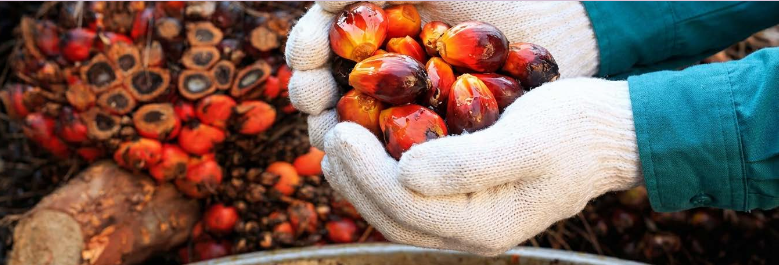
We trade palm oil mill effluent (POME), a waste of palm oil, in line with the EU Green Deal. The commodities and geographies from where we purchase this product present a high risk of child and forced labor. To that end, we work with our suppliers to understand how they ensure that the POME oil sourced is exempt from such violations. This means increasing visibility on the upstream supply chain, especially on palm oil plantations.
In 2025, we have started incorporating contractual obligations for suppliers on child and forced labour. All new CPs are escalated to the sustainability team and reviewed.
Metals and minerals desks follow a strict KYC process that includes escalation to sustainability teams. We work with existing certification schemes and perform sustainability reviews for all new counterparties.
Based on the counterparty level of risk, the type and brand of metal purchased will trigger further engagement and checks. We also ensure that the markets we purchase from have specific standards, like the London Metals Exchange, and follow the OECD Due Diligence Guidance for Responsible Supply Chain.
In 2025, we have developed a policy and procedure for responsible sourcing of metals, focusing on our newly opened precious metals desk. This policy mandates ethical mineral sourcing by prohibiting involvement in human rights abuses, support for armed groups, and financial crimes, while requiring transparent reporting of mineral origins.
On the back of the policy, we have developed a procedure to ensure all teams involved are aware of the requirements and the different levels of risk linked to commodities and place of origin.
Time chartering
Our main shipping activity is time chartering, whereby we hire a vessel for a defined period. Under these arrangements, shipowners retain responsibility for technical management, either internally or through third-party managers. This contractual structure limits our visibility over labour practices affecting seafarers. Although the existing regulatory framework, including the Maritime Labour Convention and vessel
inspection regimes, provides a baseline level of oversight, it does not fully address all potential risks. We pay close attention to operational pressures embedded in contracts, such as short loading and unloading times, which can create peaks in workload and increase risks for crews.
All our Time Chartering contracts include a clause requiring compliance with seafarers’ rights.
Child labour in Colombia
In 2022, Gunvor conducted a child labor risk mapping exercise across our operations with the assistance of our external human rights consultant. This process helped identify several areas that required special attention, including our road transportation operations in Colombia.
Gunvor’s Colombian operations contract with companies specializing in the transportation of hydrocarbons, which in turn directly hire the drivers who transport oil in trucks; the risk mapping conducted on the various Colombian routes identified the presence of numerous cleaning stations where these trucks are washed.
The risk mapping revealed that children sometimes clean these trucks, which may contain hazardous
materials that pose health risk to children. As indicated in the ILO Conventions, this situation belongs to the worst forms of child labour, as it involves children under the age of 18 handling hazardous substances, as well as a general aspect of school dropout for many of these children.
In response to this situation, the HSEC (Sustainability) team in Colombia has been working closely with the various transport companies to address this risk. To this end, they have incorporated several criteria to evaluate compliance with human rights and social responsibility aspects into their auditing processes and have conducted awareness-raising sessions for the companies.
Similarly, inspired by Gunvor, some of the transport companies have taken the initiative to establish a charitable foundation in collaboration with local organizations focused on the fight against child labor, school dropouts and environmental protection. Their efforts began with the identification of communities affected by transportation routes and where children were observed working to clean trucks. With the creation of the Moviendo Pais Foundation, they seek to invest in the needs of the regions that will significantly improve the quality of life for children as well as to work with local communities to find alternative solutions.
In the immediate future, the Foundation’s actions will be aimed at demonstrating its commitment to sustainable development and the prevention of child labor. A series of activities are also planned to generate income to fund programs and projects that directly benefit children and prevent child labor in the areas of influence, providing economic assistance, food, education, health, and other essential services.
Note: As of 1 May 2025, Gunvor has ceased its operations in Colombia. Responsibility for ongoing initiatives has been transitioned to local organisations.
Child labor risks in supply chain
In line with Swiss regulation, we perform regular monitoring of child labour risks in our supply chain.

- Crude Oil: Based on available research, the risks of child labour in oil extraction and transport seem low. Origin in conflict situations (as defined by the EU CAHRA list) may however put children in particularly vulnerable positions, and specific due diligence should be taken into account.
- Minerals: Child labor is a widely reported challenge for certain minerals and certain geographies, particularly affecting artisanal and small-scale mines. Alongside child labour issues related to children in hazardous work, additional matters include forced labour. Because of its inherent dangers, the ILO considers mining and quarrying as hazardous work and one of the worst forms of child labour.
- Cleaning of trucks in Colombia: See case study below
- Biofuels feedstock: Some biofuel feedstocks (such as Palm Oil Mill Effluent ) are an indirect product of the agriculture sector, which presents a very high and well documented risk of child labour in many countries. Therefore, some biofuel feedstocks have a high yet indirect risk of child labor.
- Refined products (fuel oil, gasoline, naphtha, LPG, etc.)
- Bitumen
- Natural gas & LNG
In the upcoming year, we will update the assessment to reflect the increased trading activity within the metals & minerals desk.
Targets
As shown in the table above, we have established qualitative targets focused on ensuring all assets and joint ventures are covered by human rights assessments, which facilitate the development of remediation plans for any identified impacts. Our targets also include extending child labour assessments across all business activities and completing three supplier assessments annually. Over the coming year, we intend to evaluate the inclusion of structured trade finance activities within our human rights assessment framework to set a corresponding qualitative target.
Human Rights Assessment of Parco-Gunvor Limited
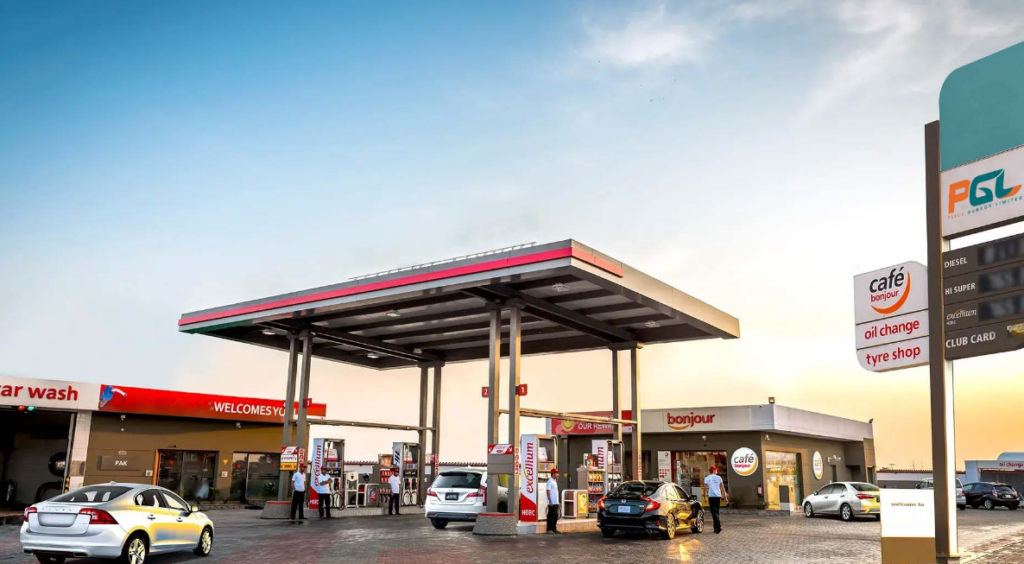
Gunvor acquired TotalEnergies’ 50% stake in Total PARCO Pakistan Limited, forming Parco Gunvor Limited (PGL) in December 2024.
To uphold its human rights commitments and meet the expectations of financial partners, Gunvor engaged twentyfifty to conduct a human rights assessment at PGL’s selected Company Owned and Company Operated (COCO) and Dealer Owner and Dealer Operated (DODO) gas stations in Pakistan last year. Following the human rights
assessment, opportunities were identified to further strengthen existing practices across its operations and value chain.
Building on these insights, PGL, in collaboration with Gunvor, has developed a comprehensive action plan aimed at further enhancing health and safety standards, reinforcing labour and security practices, improving oversight of third-party service providers, strengthening administrative processes, and increasing
awareness of available grievance mechanisms. PGL will also engage with and support business partners and contractors in strengthening their practices and management systems.
The plan will be implemented phase wise across COCO, DODO, transport operations involving truck drivers, and other relevant third-party operations, with a continued focus on safeguarding the rights, safety, and well-being of workers.